
Photography: Adrian Escu
At the centre of the exhibition is an understanding of memory as something fluid and constantly reconstructed. We do not simply retrieve memories unchanged from an internal archive. Each act of remembering is shaped by time, emotion and our present perspective. Certain details become sharper while others disappear, different moments begin to overlap, and experiences that once seemed insignificant can acquire an entirely different meaning years later. Forgetting is therefore not separate from memory, but part of the same process, creating gaps and absences that can themselves become spaces for imagination.
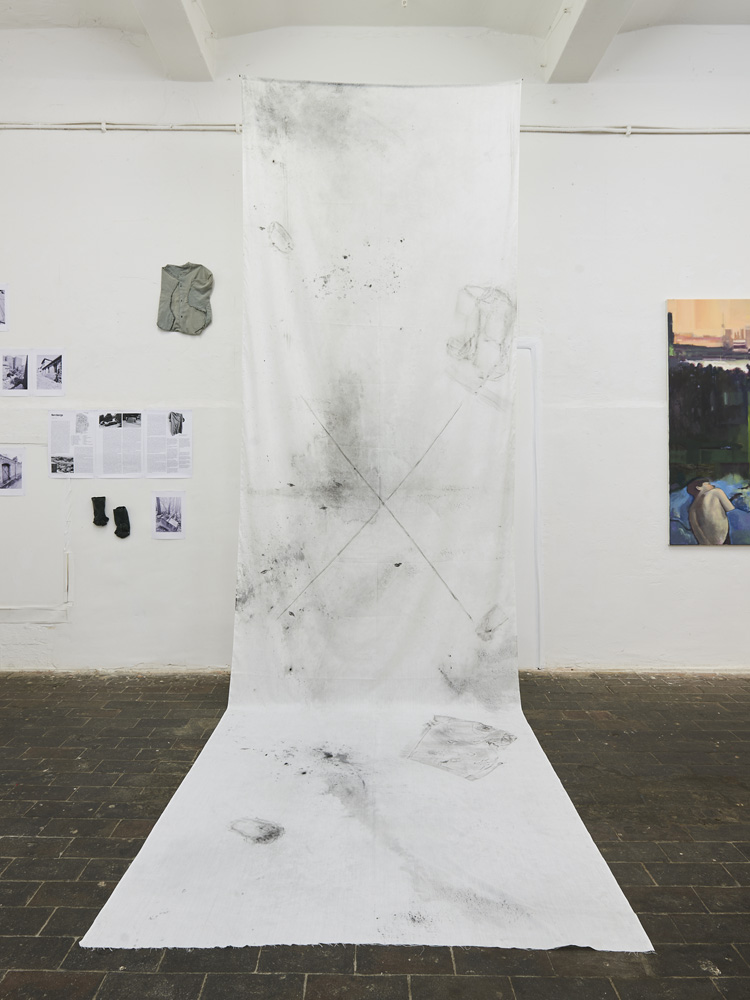
While memory begins with individual experience, it is never exclusively personal. Our memories are intertwined with family histories, cultural narratives, places, political realities and experiences inherited or shared with others. Childhood, family, migration and belonging intersect with collective histories, while objects, images and landscapes become carriers of experiences extending beyond the individual. Across the exhibition, these ideas unfold through autobiographical narratives, archives, local histories, cultural references and material processes, as well as through works in which fragments are preserved, rearranged or transformed over time.
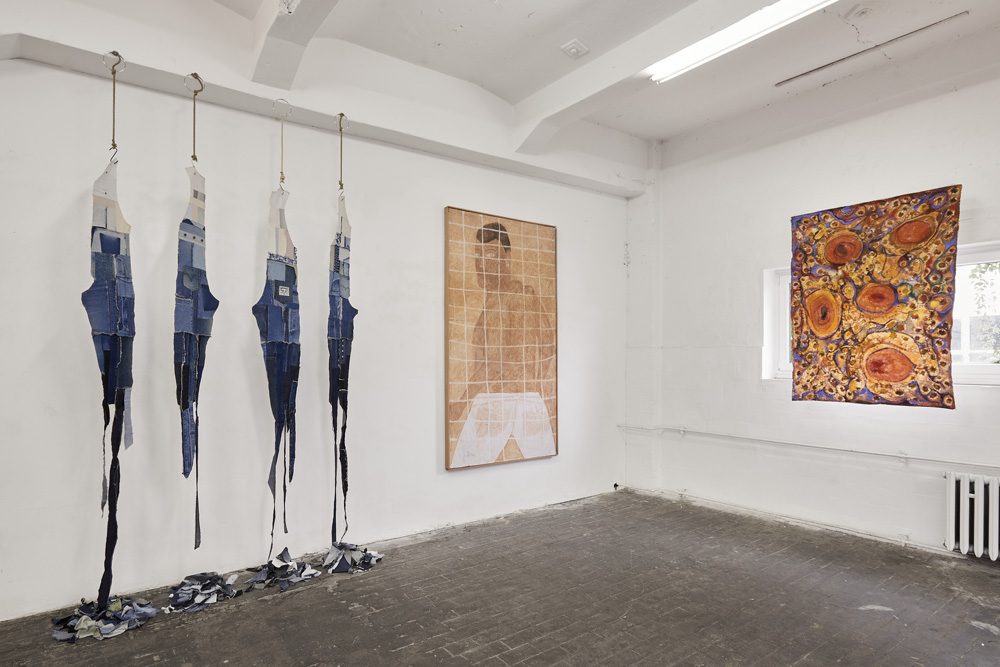
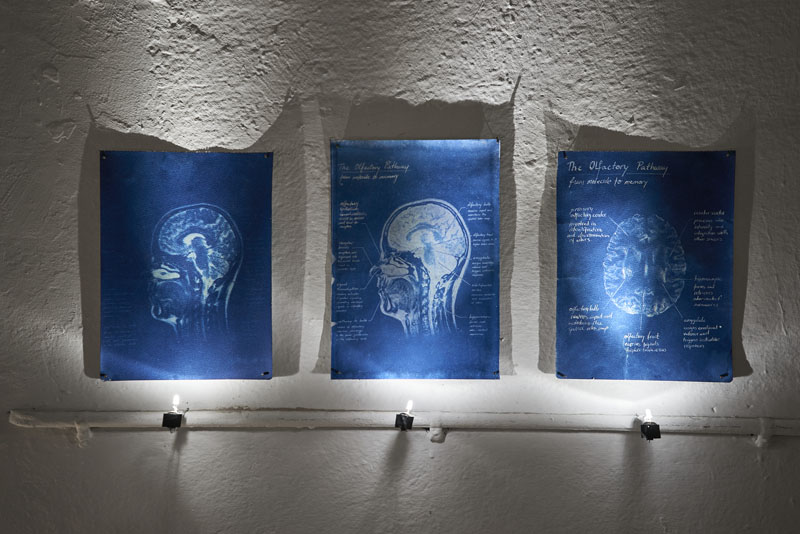
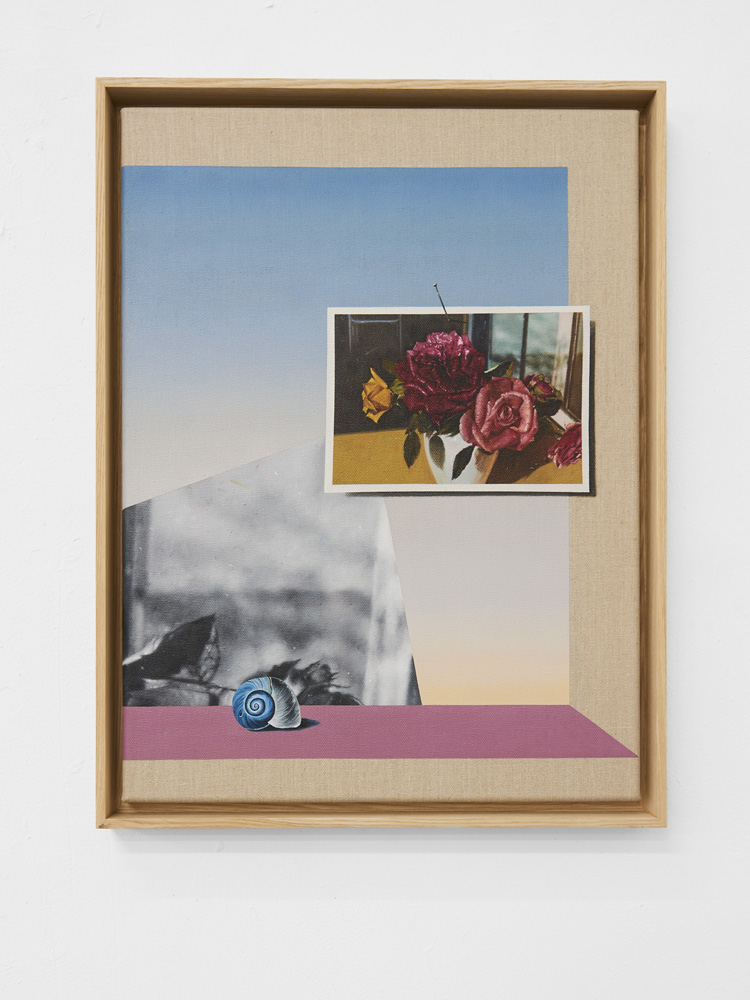
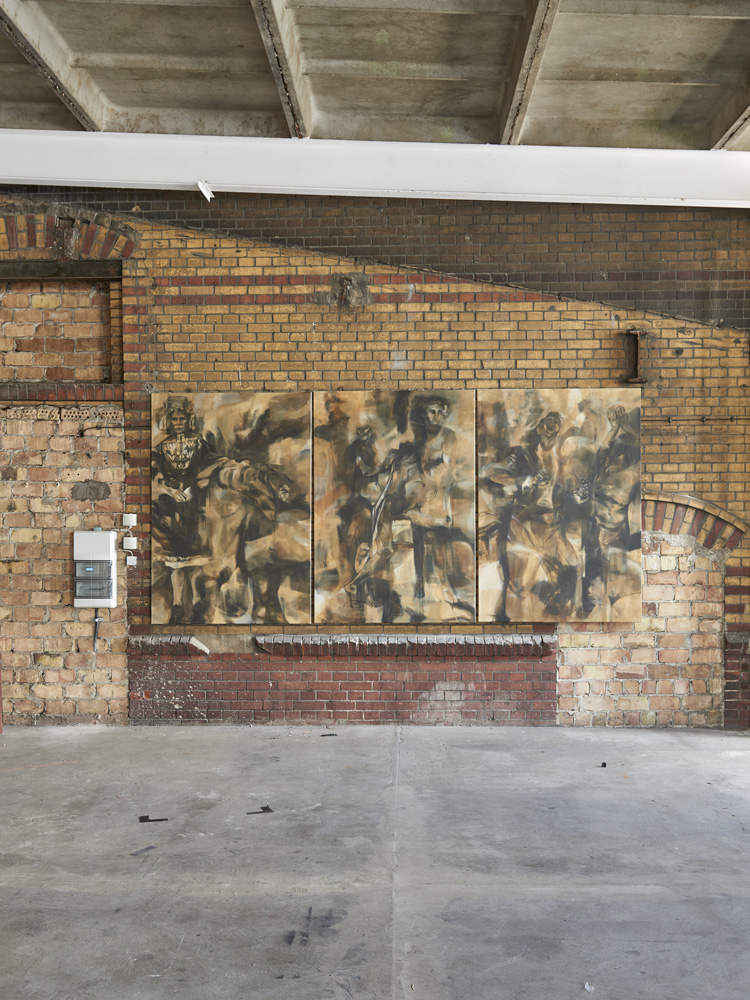
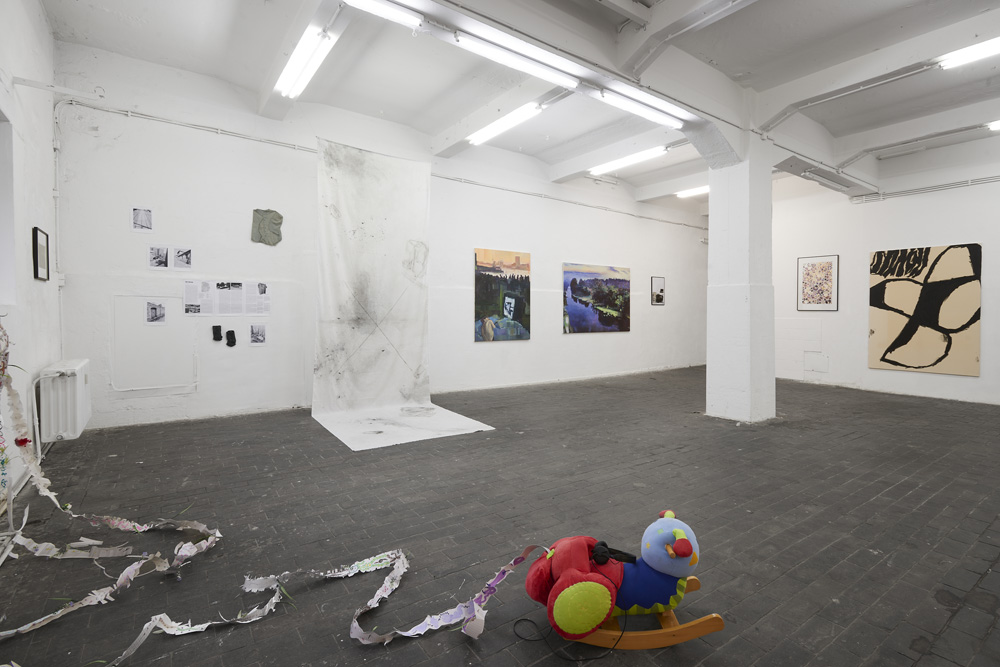
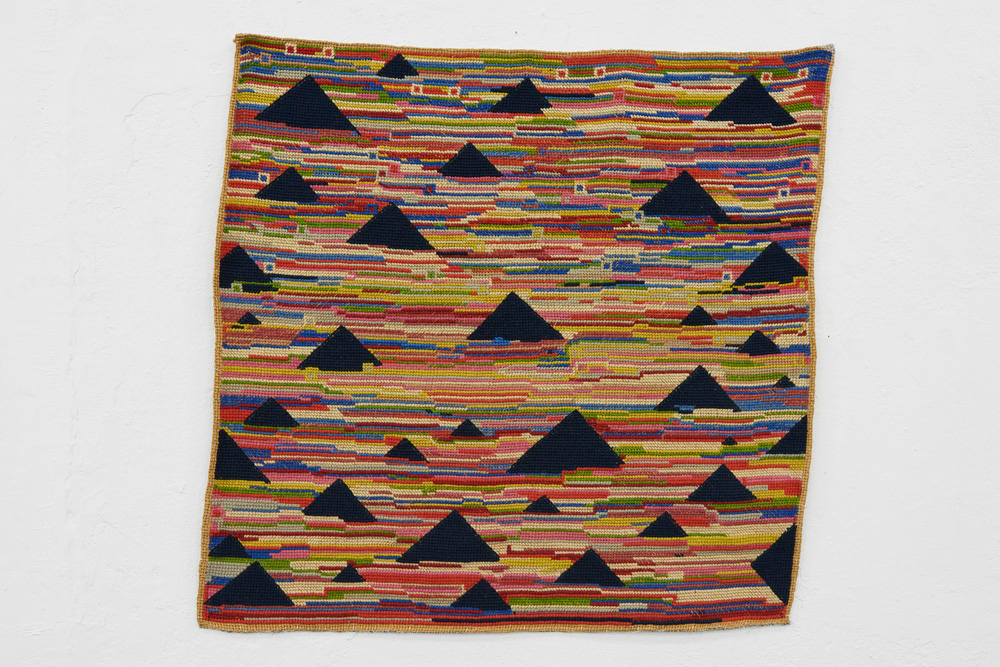
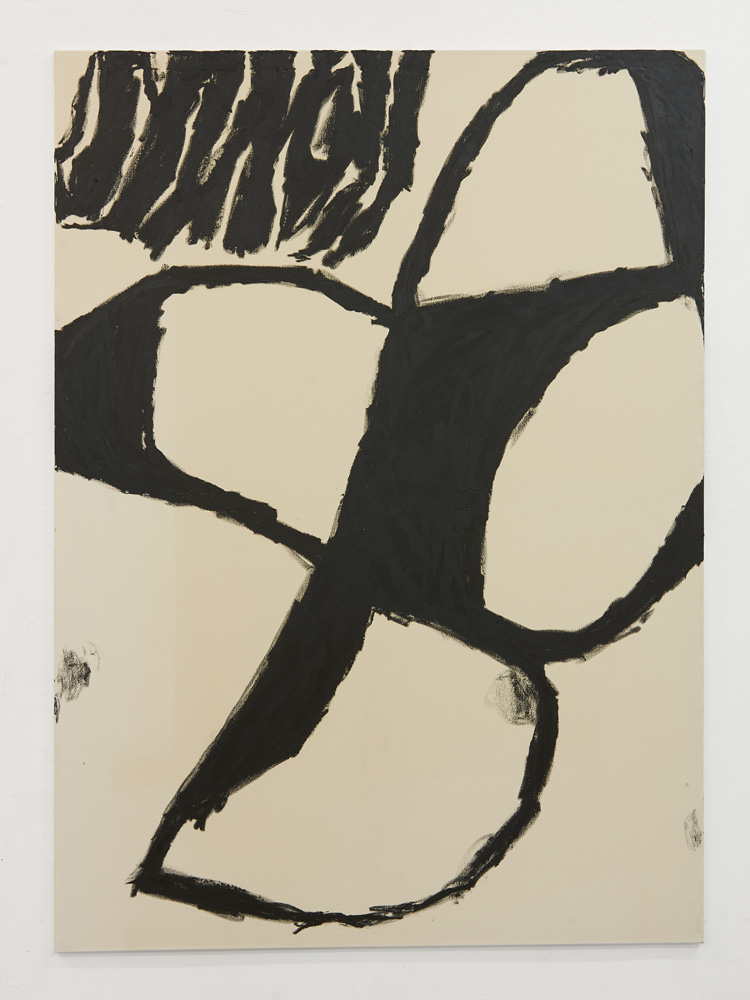
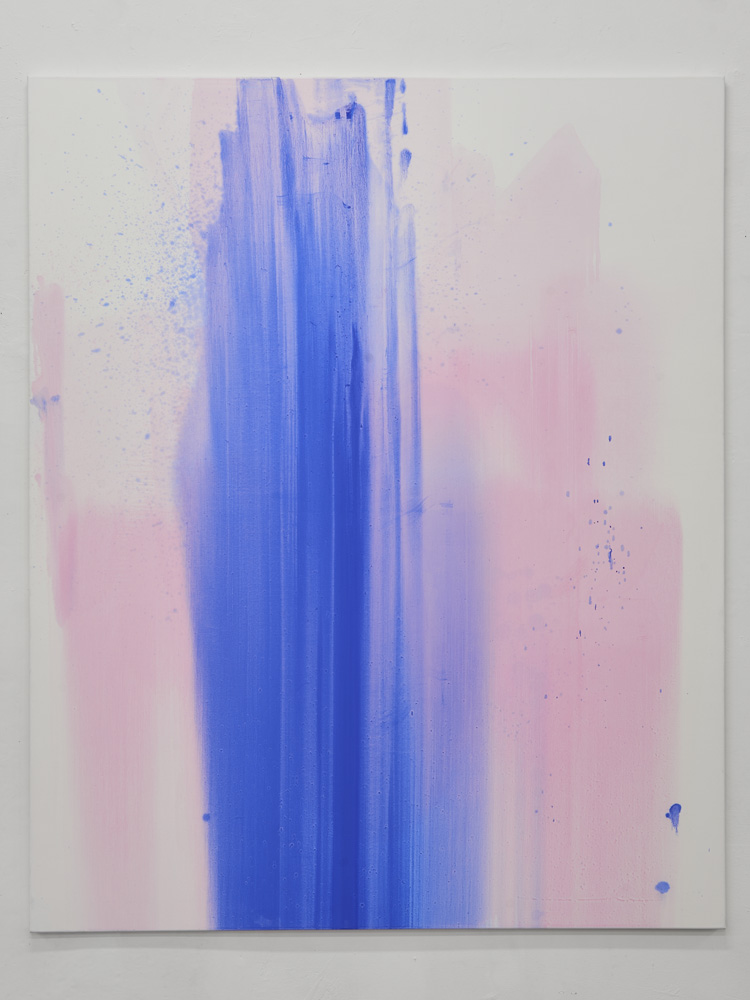
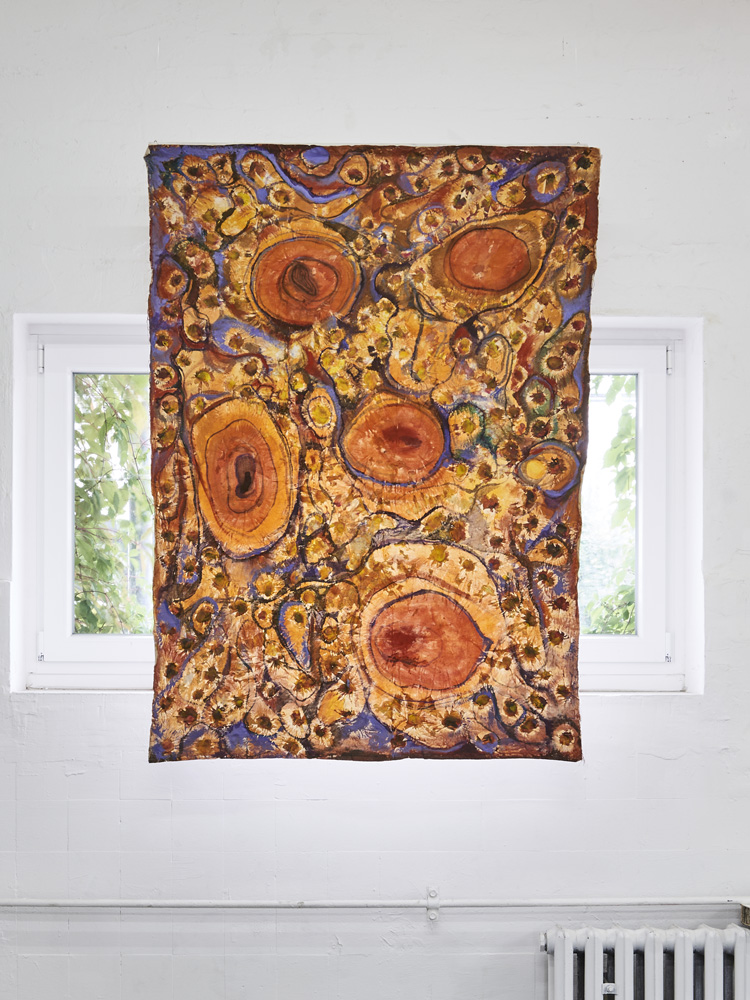
Memory also extends beyond the purely visual. We remember through the body and through the senses, often involuntarily. A smell can return us to a place we have not thought about for years, a sound can revive an atmosphere before we understand why it feels familiar, and a texture or physical sensation can carry associations that language cannot fully describe. Painting, photography and drawing therefore coexist with textile, botanical matter, installation, sound, moving image and scent, allowing memory to emerge not only as something represented, but also as something physically and sensorially activated.
Rather than attempting to reconstruct the past as something complete or reliable, "Traces of Memory"embraces its instability. Memories can be intimate or inherited, carefully preserved or almost erased, and what survives is often fragmentary. Bringing together the diverse artistic positions of the HB55 community, the exhibition creates a constellation of these traces and considers how personal and collective histories continue to shape identity, belonging and our understanding of the present.
Maria Nitulescu